Maison >  Nouvelles >  "Clair Obscur: Expedition 33 Sparks Debate sur les jeux au tour par tour"

"Clair Obscur: Expedition 33 Sparks Debate sur les jeux au tour par tour"

Authore: LilyMise à jour:May 02,2025

Le sujet des jeux au tour par tour contre les systèmes axés sur l'action a été un thème récurrent dans les discussions de jeu de rôle (RPG), et la récente version de Clair Obscur: Expedition 33 a ravivé ce débat. Lancé la semaine dernière, Clair Obscur: Expedition 33 a été largement salué par IGN et d'autres points de vente en tant que RPG exceptionnel. Le jeu présente fièrement ses inspirations, avec un système de combat au tour par tour, Pictos pour équiper et maîtriser les "Dungeons" zonés et une carte Overworld rappelant les RPG classiques.

Dans une interview avec RPGSite, le producteur François Meurisse a révélé que Clair Obscur était conçu comme un jeu au tour par tour dès le départ, s'inspirant de titres emblématiques comme Final Fantasy VIII, IX et X. De plus, le jeu intègre des éléments de Sekiro: Shadows Die Twice et Mario & Luigi , mélangeant des événements rapides pour les attaques et le parhème / esquivant pour la défense. Cette approche hybride se traduit par une expérience de gameplay qui se sent à la fois traditionnelle et axée sur l'action, suscitant un intérêt important et un débat au sein de la communauté des jeux.

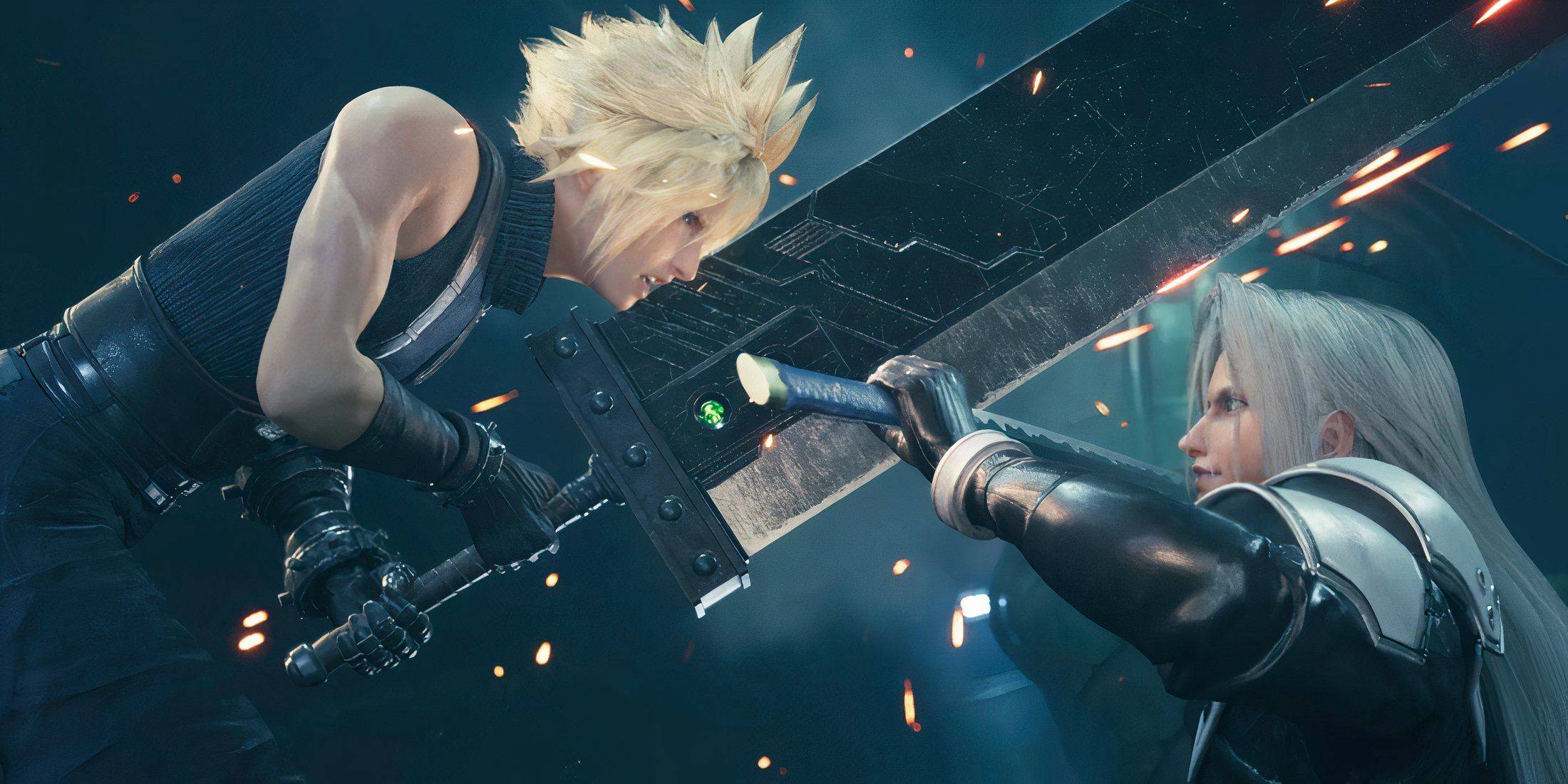
Le succès de Clair Obscur: Expedition 33 a alimenté les discussions sur les réseaux sociaux, dont beaucoup le citant comme preuve contre le décalage de la mécanique au tour par tour en RPG, en particulier dans la série Final Fantasy . Naoki Yoshida, lors de la tournée des médias pour Final Fantasy XVI , a discuté de cette évolution vers une mécanique plus basée sur l'action dans les RPG, citant une préférence croissante parmi les jeunes publics pour un gameplay en temps réel sur les systèmes basés sur les commandes.

Ce changement est évident dans les récents titres de Final Fantasy tels que XV, XVI et la série de remake VII , qui ont adopté des systèmes plus axés sur l'action. Cependant, Square Enix n'a pas abandonné les jeux au tour par tour entièrement, comme on le voit avec le succès d' Octopath Traveler 2 et d'autres versions comme Saga Emerald Beyond et le prochain remaster par défaut courageusement pour Switch 2.

Alors que certains fans soutiennent que Final Fantasy devrait suivre l'exemple de Clair Obscur , la réalité est plus nuancée. Final Fantasy a sa propre esthétique et son iconographie unique qui ne peuvent pas être simplement remplacées par la mécanique d'un autre jeu. Clair Obscur: Expedition 33 se démarque non seulement pour ses inspirations, mais pour ses systèmes de combat innovants, sa bande sonore convaincante et sa construction du monde réfléchie, qui est le résultat de la vision créative de ses développeurs.

Le débat sur les RPG au tour par tour versus axés sur l'action n'est pas nouveau. Des discussions similaires ont entouré des jeux comme Lost Odyssey et des comparaisons entre Final Fantasy VII et VI . Les chiffres des ventes jouent également un rôle dans ces décisions, comme Yoshida l'a mentionné dans ses commentaires sur Final Fantasy XVI , ce qui indique que bien qu'il valorise les RPG basés sur le commandement, les attentes du marché ont influencé la direction du jeu.

Clair Obscur: Expedition 33 a réussi un succès remarquable, vendant 1 million d'exemplaires en seulement trois jours, ce qui témoigne de la viabilité des RPG au tour par tour. D'autres succès récents tels que Baldur's Gate 3 et Metaphor: Refantazio démontrent en outre que les jeux au tour par tour peuvent être acclamés par la critique et le succès commercial.

En fin de compte, le succès de Clair Obscur met en évidence l'importance de l'authenticité dans le développement du jeu. Comme l'a noté le PDG de Larian, Swen Vincke, la création d'un jeu qui se passionne peut conduire à des résultats de haute qualité, quel que soit le genre ou la mécanique. Cette approche suggère une voie positive pour l'industrie, en se concentrant sur la créativité et l'innovation plutôt que la réparation de vieux débats.


Dernières nouvelles
2025: Ancient Giants Await
— The Return of the Forgotten Echoes
The year is 2025, and the world stands on the precipice of a revelation buried beneath millennia of myth and memory. The Summer of the Ancients has begun—not with fireworks, but with a trembling in the earth, a low hum felt in the bones of those who walk the ancient paths.
From the snow-capped peaks of the Andes to the sun-baked deserts of the Sahara, and deep beneath the forests of Siberia, the Giants are stirring.
They were not gods. Not monsters. Not men.
They were the First Architects, the silent watchers who shaped the stars before we learned to name them. Their bones lie in stone temples older than language. Their voices echo in the wind through the ruins of forgotten cities—places now uncovered by melting ice and satellite scans.
This year, the signs are undeniable:

The Gobi Desert cracked open to reveal a monolith inscribed with a language that breathes when spoken aloud.
In northern Norway, the aurora danced in patterns that match an ancient star map from a 12,000-year-old cave painting.
At Stonehenge, the stones realigned not with the solstice, but with a signal from deep within the Earth—pulsing like a heartbeat.

And then, on the night of the equinox, a voice—neither human nor machine—spoke through every broadcast, every device, every dream.

2025: Ancient Giants Await — The Return of the Forgotten Echoes The year is 2025, and the world stands on the precipice of a revelation buried beneath millennia of myth and memory. The Summer of the Ancients has begun—not with fireworks, but with a trembling in the earth, a low hum felt in the bones of those who walk the ancient paths. From the snow-capped peaks of the Andes to the sun-baked deserts of the Sahara, and deep beneath the forests of Siberia, the Giants are stirring. They were not gods. Not monsters. Not men. They were the First Architects, the silent watchers who shaped the stars before we learned to name them. Their bones lie in stone temples older than language. Their voices echo in the wind through the ruins of forgotten cities—places now uncovered by melting ice and satellite scans. This year, the signs are undeniable: The Gobi Desert cracked open to reveal a monolith inscribed with a language that breathes when spoken aloud. In northern Norway, the aurora danced in patterns that match an ancient star map from a 12,000-year-old cave painting. At Stonehenge, the stones realigned not with the solstice, but with a signal from deep within the Earth—pulsing like a heartbeat. And then, on the night of the equinox, a voice—neither human nor machine—spoke through every broadcast, every device, every dream. "We have waited. We have listened. The time of silence is over." Now, from every corner of the planet, people report visions: towering figures woven from light and shadow, walking through the ruins, touching the earth, and awakening forgotten technologies—machines made of crystal, networks of energy that hum beneath the oceans, and seeds that bloom in hours. The world is divided. Some call it the apocalypse. Others, salvation. But one truth emerges from the chaos: The Giants are not coming back to destroy. They are returning to remember. To reclaim what was lost. To teach what was forgotten. And humanity—scattered, fractured, wounded—must decide: Will we open our ears? Will we learn to speak their language? Or will we fall again to the fear of what we do not understand? 2025: Ancient Giants Await — The world is no longer alone. — And the age of echoes has begun. 🔔 Follow the pulse. Listen to the silence between the stars. 🌐 #AncientGiantsAwait #2025Reckoning #TheFirstAwakening

Rusty Lake fête ses 10 ans avec de nouveaux lancements et des réductions

Rusty Lake fête ses 10 ans avec de nouveaux lancements et des réductions